
If you’re a partner in a business that operates as a partnership, you may be familiar with IRS Form 1065 K-1. This form is used to report your share of the partnership’s income, deductions, and credits.
When you receive your K-1, it’s important to review it carefully to ensure that the information is accurate. Any errors could lead to delays in filing your tax return or even trigger an audit by the IRS.
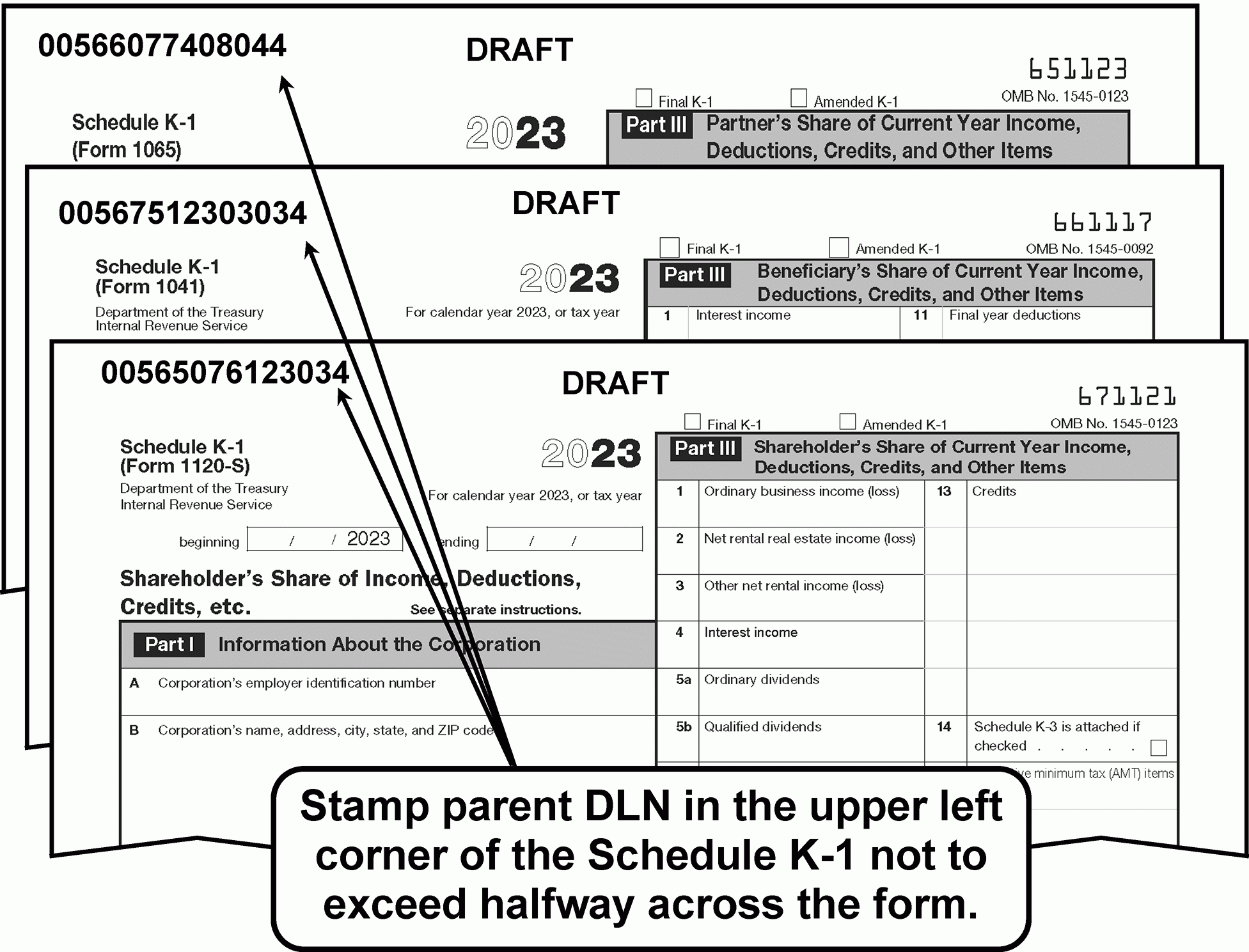
Irs Form 1065 K-1
Understanding the components of IRS Form 1065 K-1
The K-1 form will include details such as your share of the partnership’s profits and losses, any capital gains or losses, and any foreign transactions. It’s crucial to report this information correctly on your personal tax return to avoid any discrepancies.
Additionally, the K-1 may also include information about any deductions or credits that you are eligible for as a partner in the business. These can help reduce your taxable income and potentially lower your tax liability.
If you have multiple K-1 forms from different partnerships, make sure to consolidate the information accurately when filing your tax return. You may need to consult with a tax professional to ensure that everything is done correctly.
In conclusion, IRS Form 1065 K-1 is a crucial document for partners in a partnership to report their share of income, deductions, and credits. By understanding the components of the form and reporting the information accurately, you can avoid any potential tax issues and ensure compliance with IRS regulations.
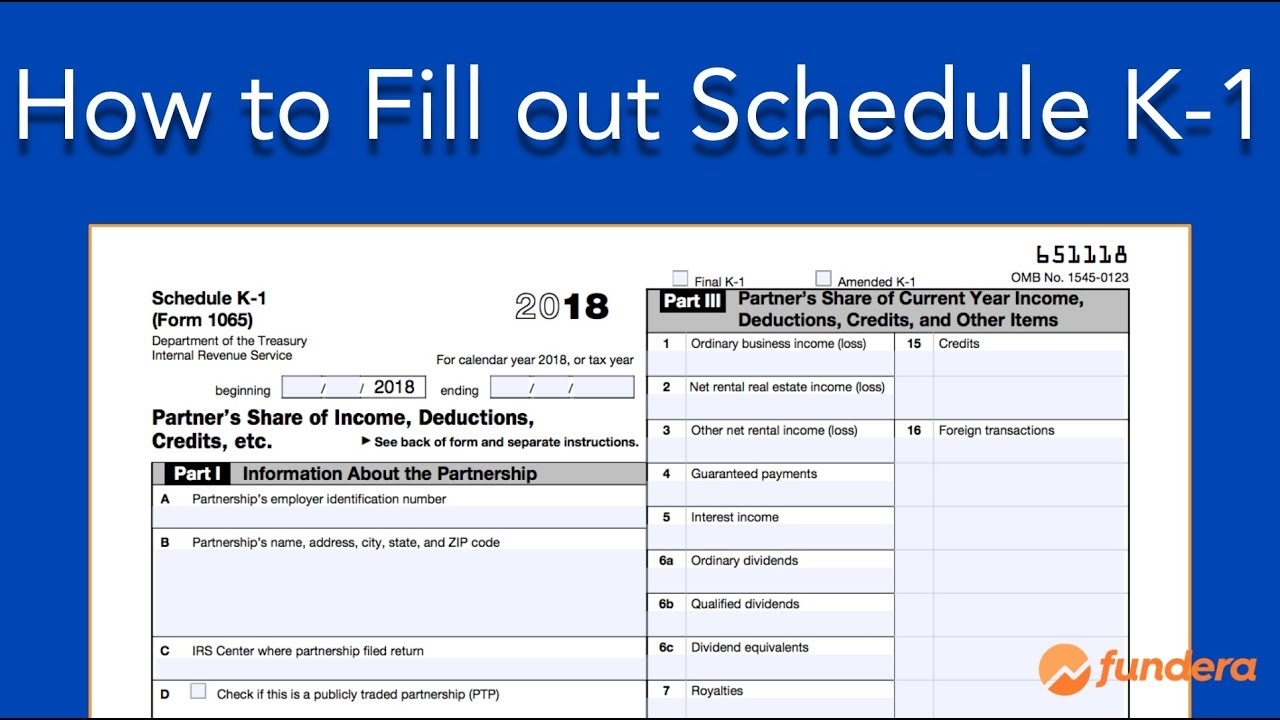
How To Fill Out Schedule K 1 IRS Form 1065
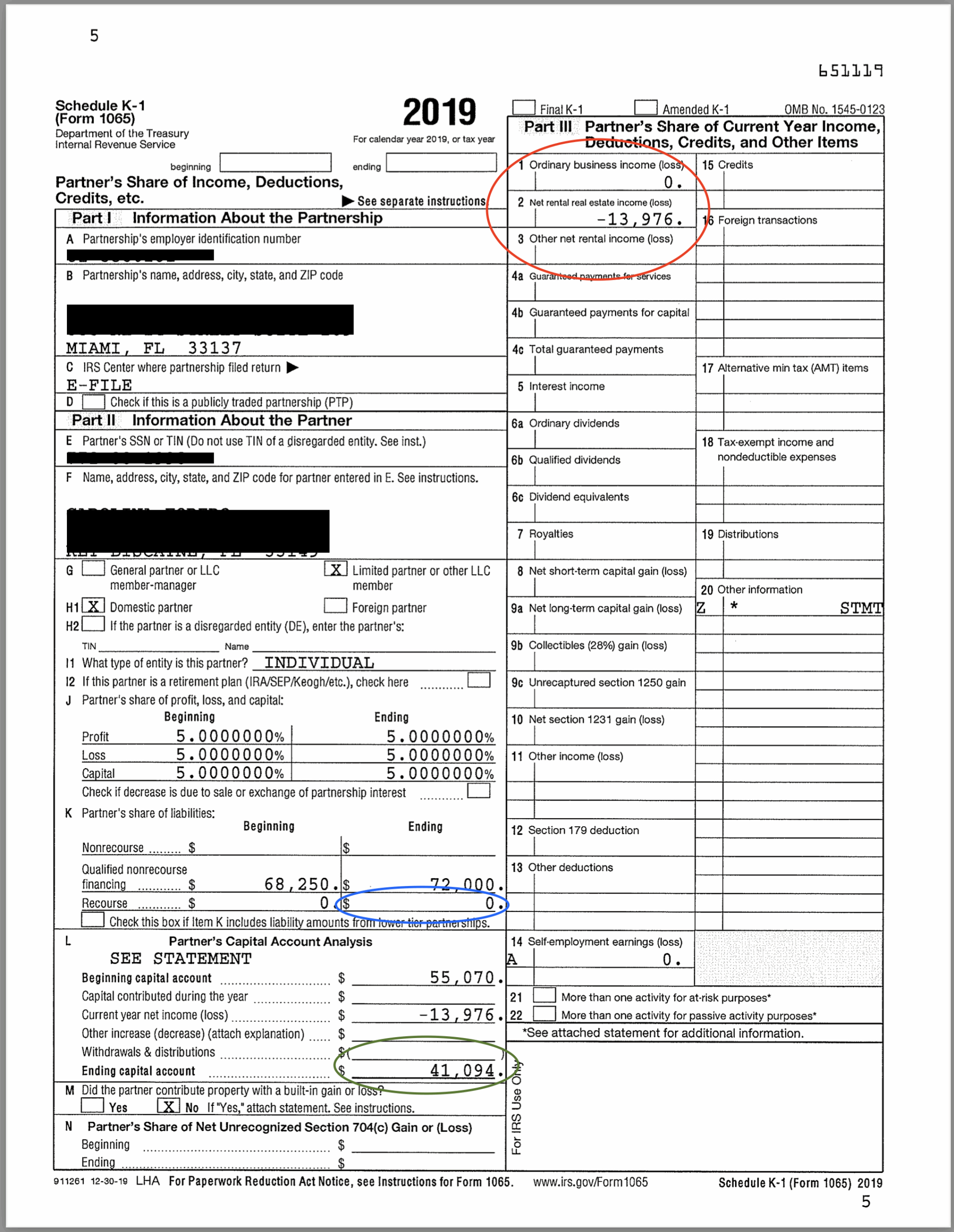
What Does Ending Capital Mean In A K 1 For A Partnership LLC
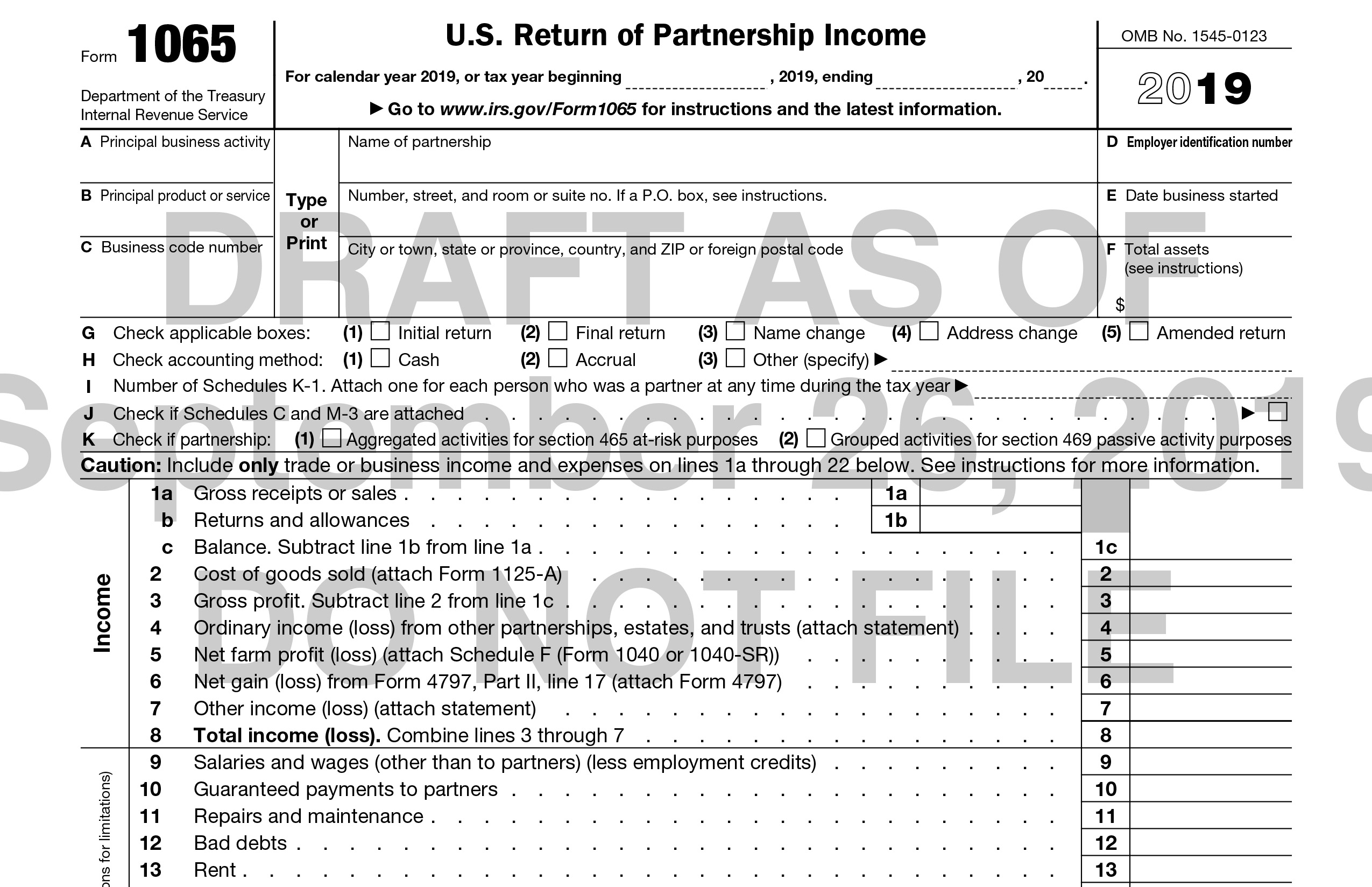
IRS Releases Drafts Of The New Form 1065 Schedule K 1