
Are you a business owner looking to hire independent contractors or freelancers? Understanding the W-9 form is crucial for tax purposes. The W-9 form collects the contractor’s taxpayer identification number (TIN) to report their income to the IRS.
When a business pays a contractor $600 or more in a calendar year, they are required to send them a W-9 form to fill out. This form is essential for keeping accurate records and ensuring compliance with tax laws.
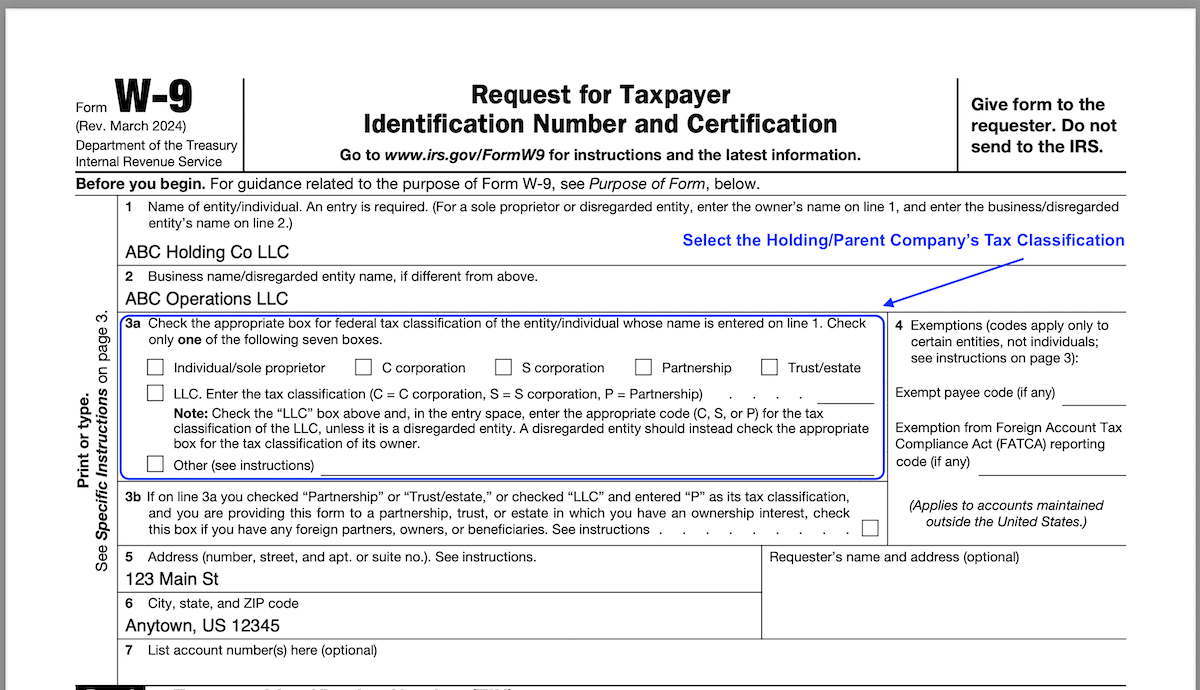
W9 Form Example For Business
W9 Form Example For Business
Here’s a simplified example of a W-9 form for your business: Start by entering the contractor’s name, address, and TIN. Then, the contractor certifies their taxpayer status and signs the form. Once completed, the business can use this information for tax reporting purposes.
It’s important to keep all W-9 forms on file for at least four years in case of an IRS audit. Make sure to request a new W-9 form from contractors if their information changes, such as a name change or TIN update.
By properly collecting and storing W-9 forms, your business can avoid potential penalties for non-compliance with tax laws. Stay organized and up to date with your contractor’s information to ensure smooth tax reporting processes.
Understanding the W-9 form is essential for any business that works with independent contractors. By following the guidelines and examples provided, you can streamline your tax reporting and maintain compliance with IRS regulations. Keep your records accurate and up to date to avoid any issues down the road.
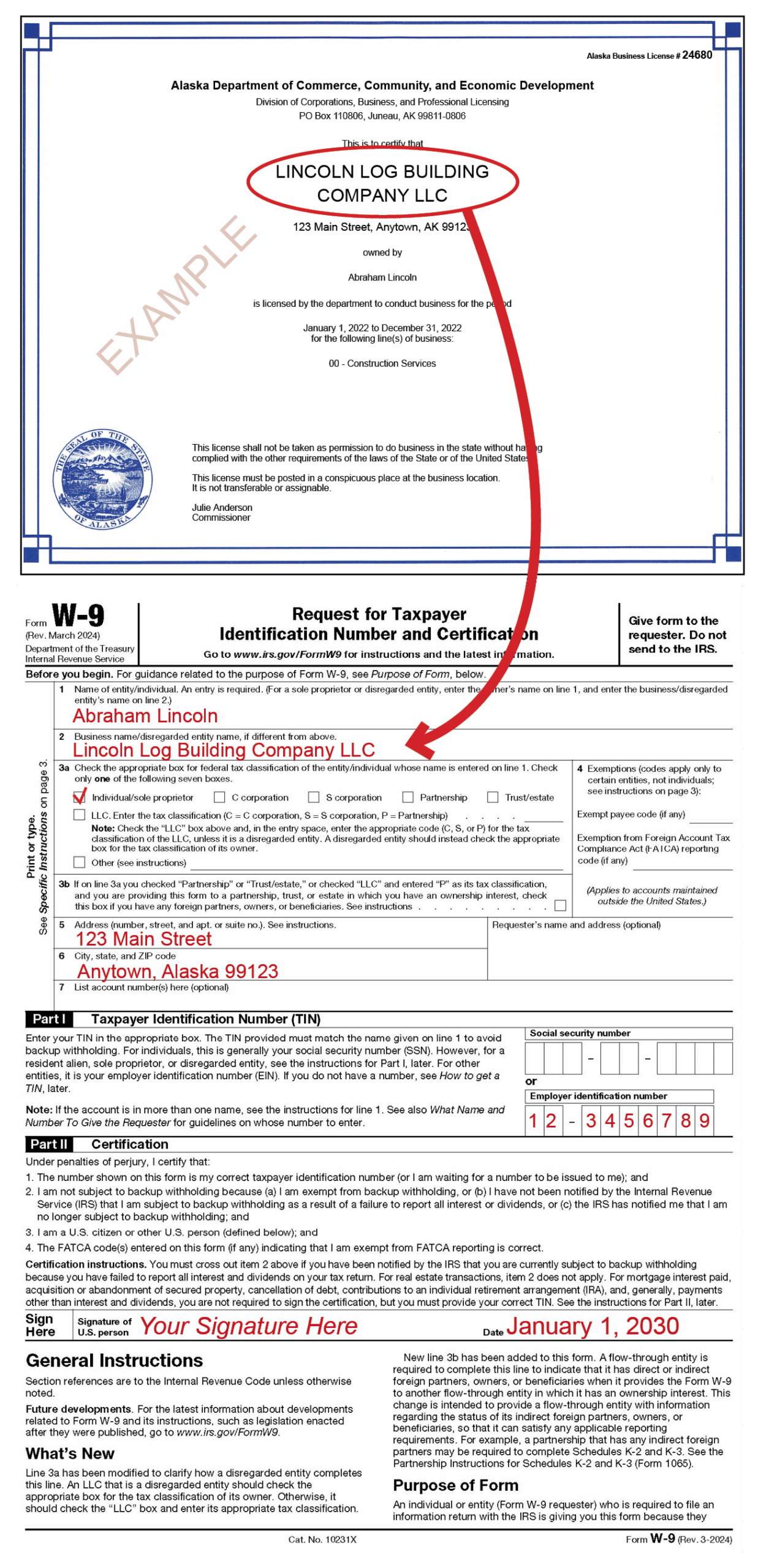
W 9 Tips Thread
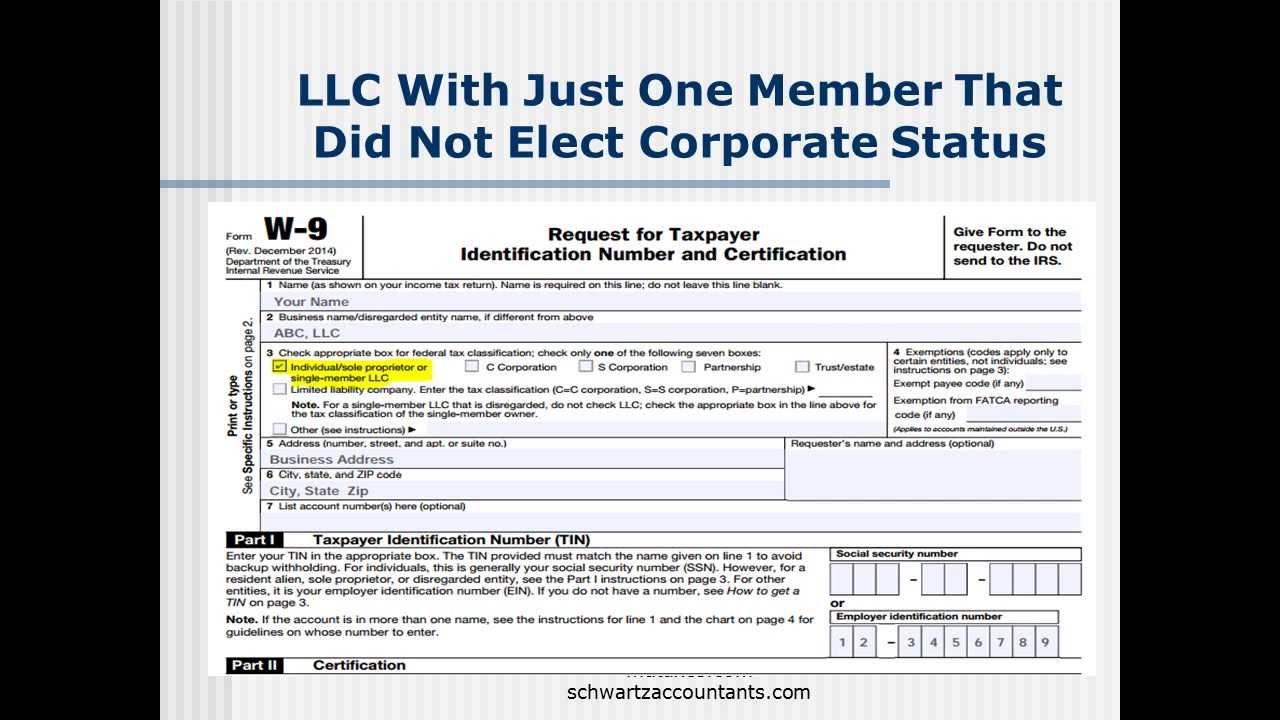
W 9 Basics How To Complete A W 9 Form For An LLC
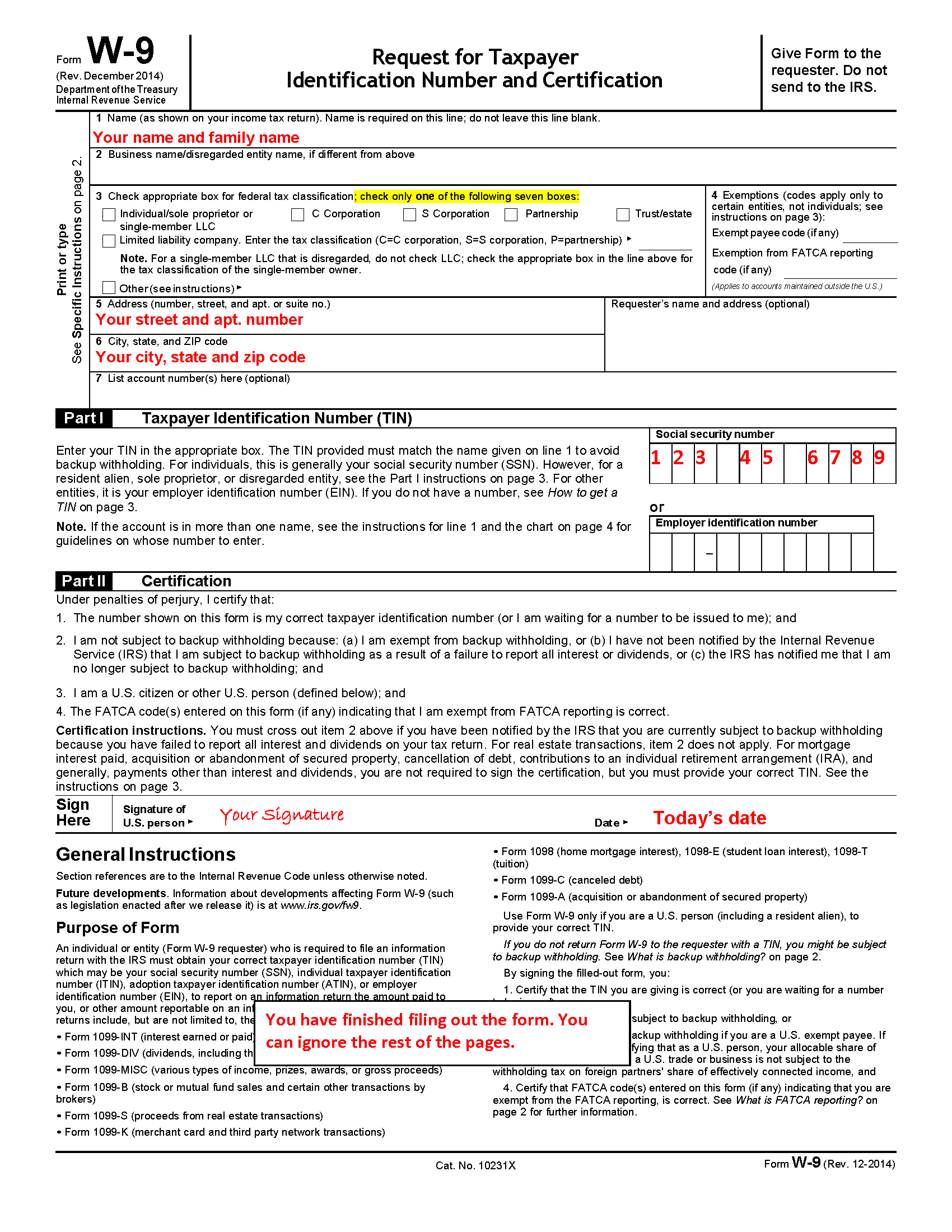
W 9 Form Filing Philip Stein amp Associates