
Planning to sell your business soon? Understanding the IRS Form 8594 Classes of Assets is crucial for a smooth transaction. This form helps classify assets for tax purposes, ensuring both parties are on the same page.
When you sell a business, you need to allocate the purchase price among different asset classes. This allocation can affect the taxes you owe, so it’s important to get it right. The IRS Form 8594 helps you do just that by providing a standardized way to report asset sales.
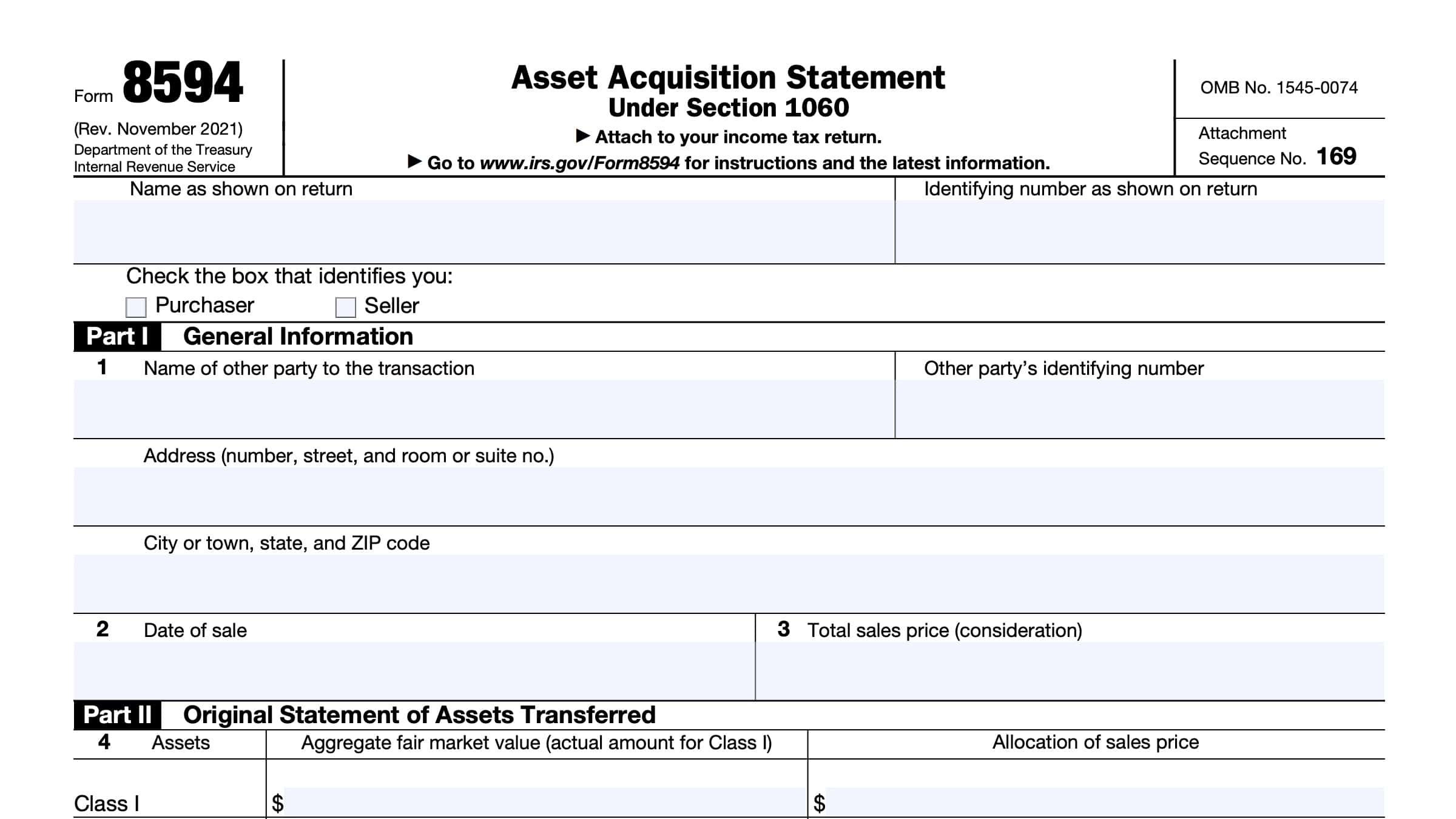
Irs Form 8594 Classes Of Assets
Irs Form 8594 Classes Of Assets
The IRS Form 8594 divides assets into seven classes, such as cash, inventory, and intangible assets. Each class has specific rules for allocation, so it’s essential to understand how your assets fall into these categories. Proper classification can save you time and money during tax season.
By using the IRS Form 8594, both buyers and sellers can agree on the allocation of assets, reducing the risk of disputes down the line. This form streamlines the process and ensures that all parties comply with tax regulations.
Whether you’re a buyer or a seller, familiarizing yourself with the IRS Form 8594 Classes of Assets is a smart move. It can help you navigate the complex world of asset sales and ensure that you’re prepared for tax implications. Don’t overlook this important form when planning your business sale.
So, next time you’re preparing to sell your business, make sure to fill out the IRS Form 8594 accurately. It’s a small step that can make a big difference in your tax situation. Understanding the classes of assets will help you stay organized and compliant throughout the sale process.
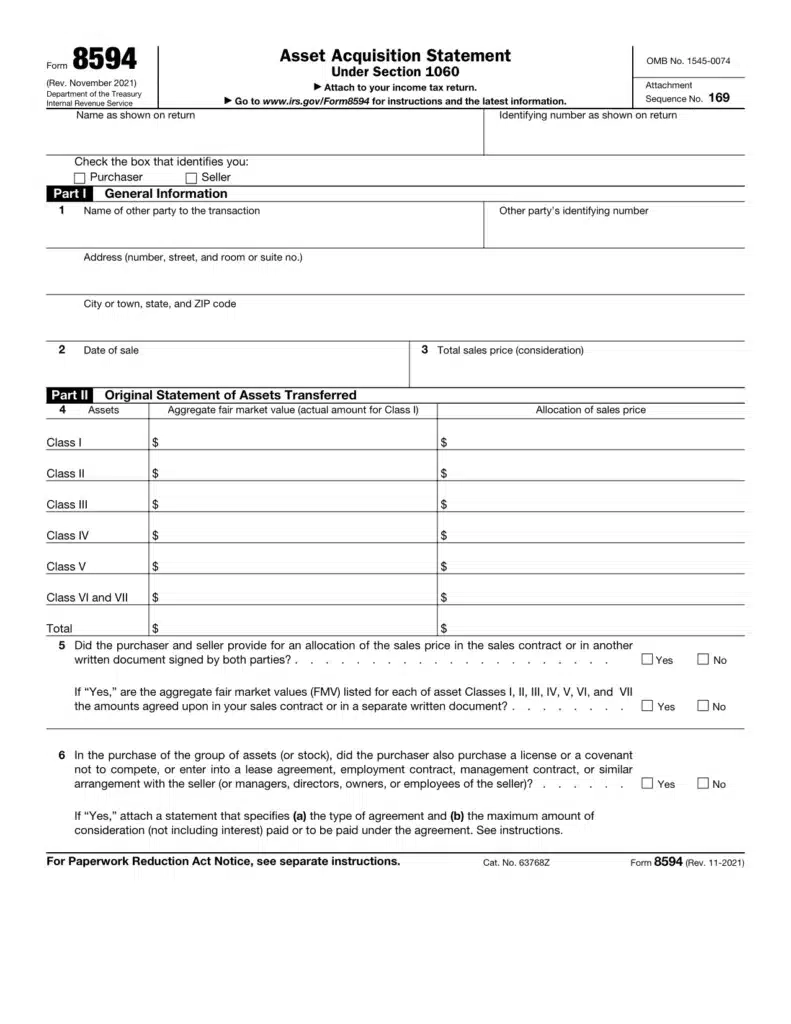
8594 Form Instructions IRS Form 8594 Instructions 2024
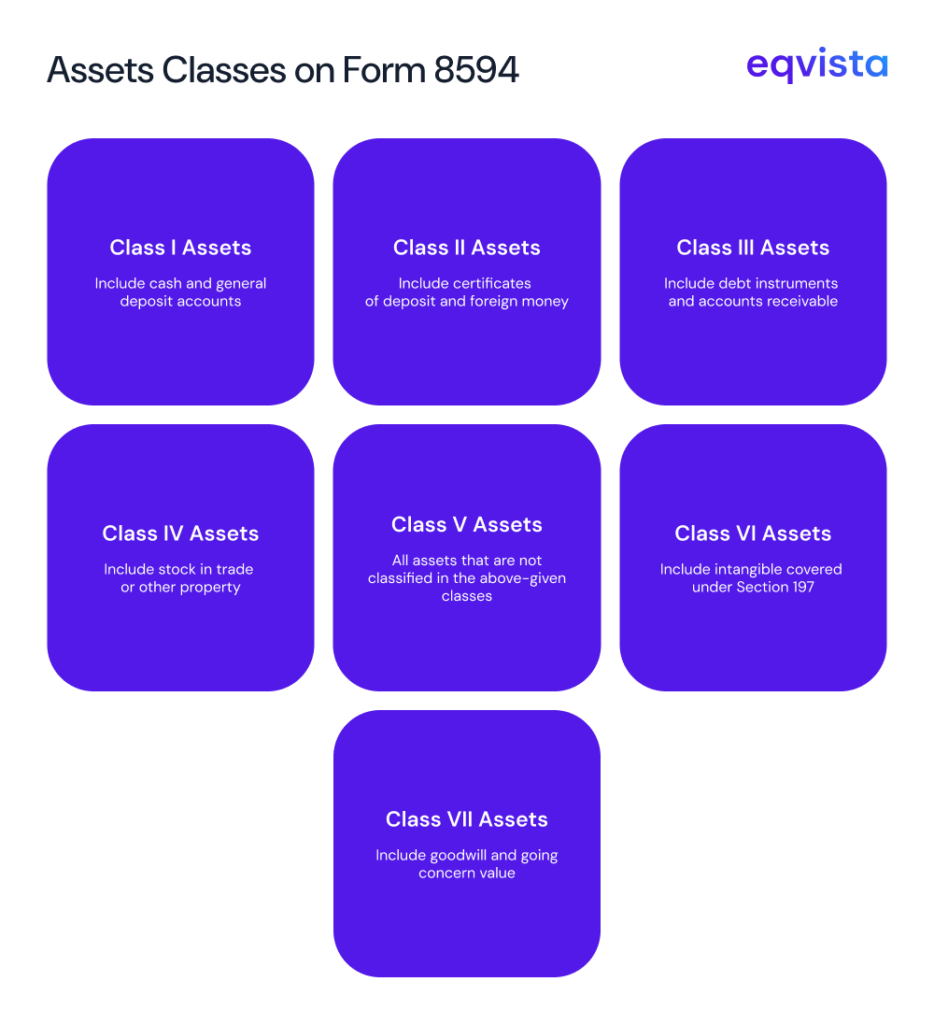
Form 8594 Everything You Need To Know Eqvista
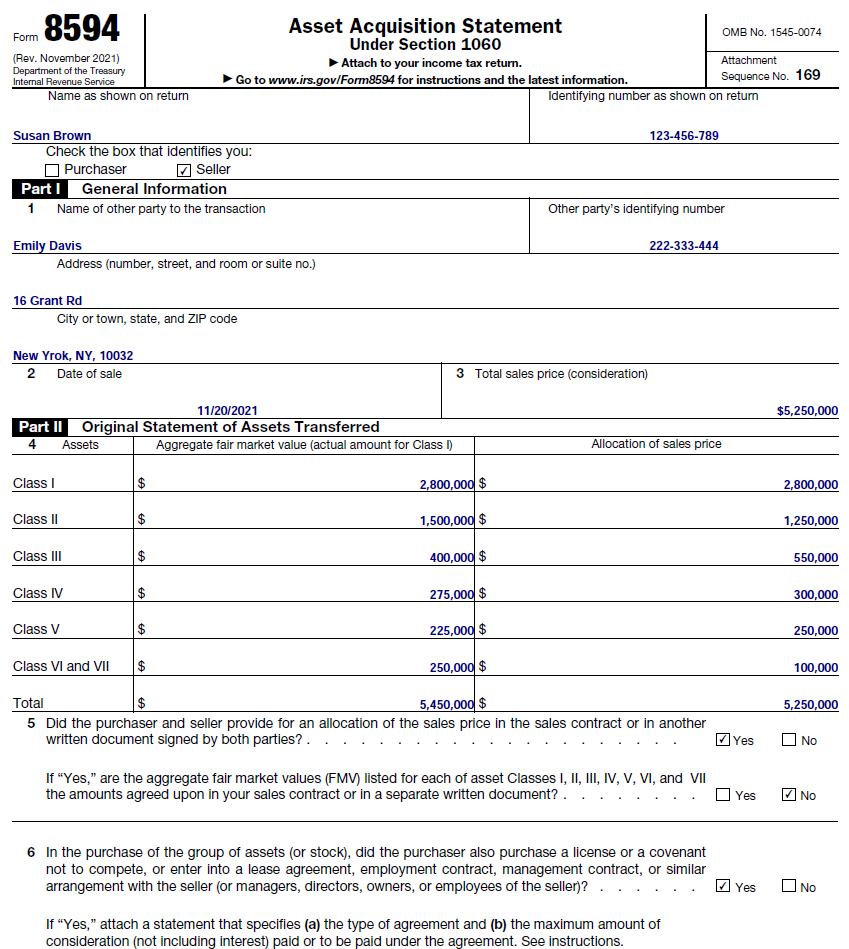
File Form 8594 Eqvista