
Forms are an integral part of websites, allowing users to interact and provide information. Whether it’s signing up for a newsletter, submitting a contact form, or making a purchase, forms are essential for communication and data collection.
When you fill out a form on a website, you are essentially providing the website with information that is then processed and stored. This information can be used for various purposes, such as contacting you, processing your order, or personalizing your experience on the site.
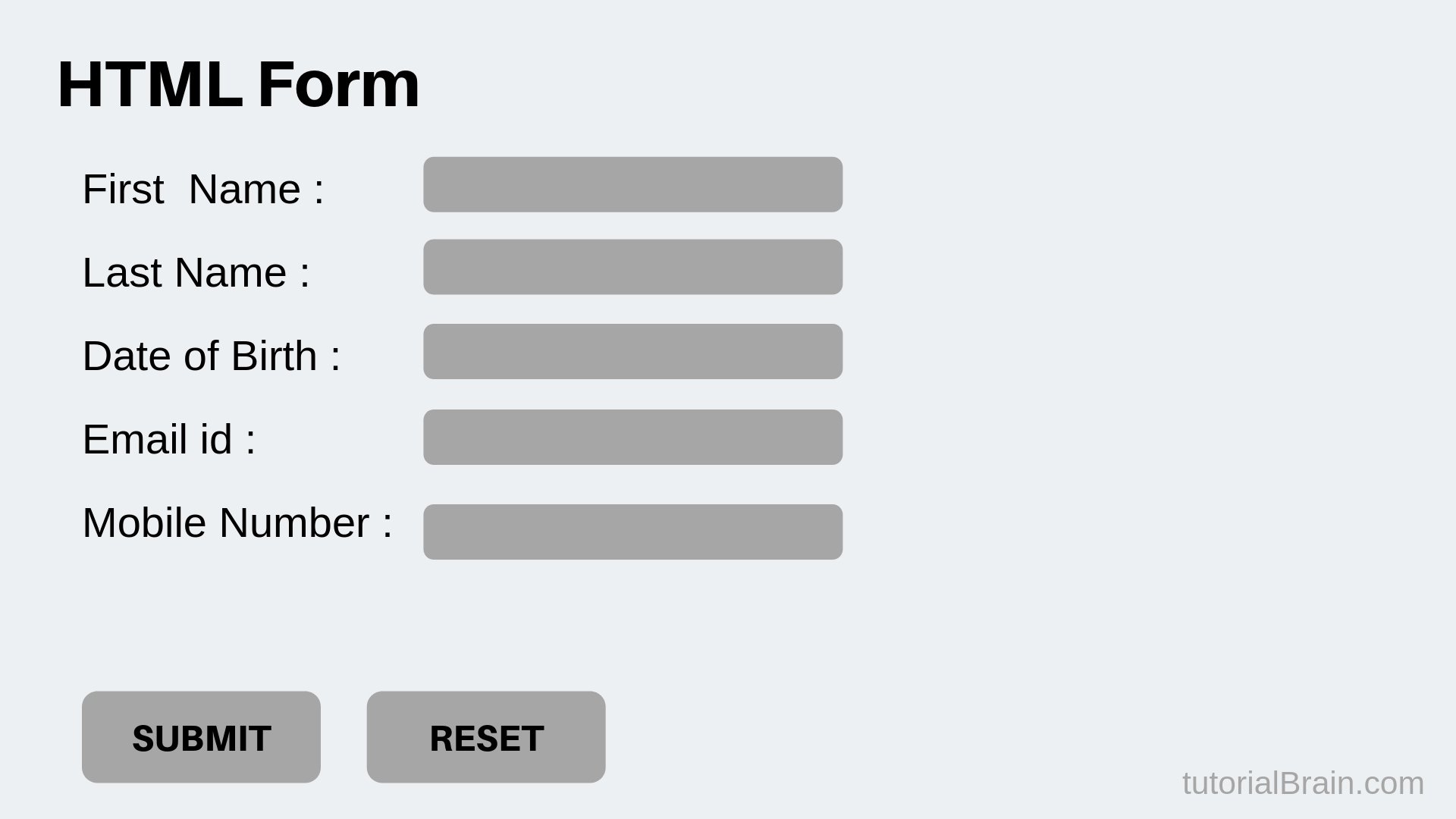
How Forms Work
How Forms Work
Forms are created using HTML code that defines the structure of the form, including input fields, text areas, checkboxes, and buttons. When you submit a form, the data you entered is sent to a server using a method called POST or GET, where it is processed and stored.
Validation is an important aspect of forms, ensuring that the data entered is in the correct format and meets the required criteria. This helps prevent errors and ensures that the information collected is accurate and useful.
Forms can be customized with various features, such as dropdown menus, radio buttons, and CAPTCHA, to enhance user experience and security. By optimizing forms for usability and accessibility, websites can improve conversion rates and user satisfaction.
In conclusion, forms play a crucial role in website functionality and user interaction. Understanding how forms work and optimizing them for efficiency and user experience can greatly benefit websites and their visitors.
Microsoft Forms lykk iden Kyselylomakkeiden Luominen
Employee Forms 14 EForms
Microsoft Office Forms How To Create And Share A Form