
Are you a freelancer or independent contractor confused about tax forms? Understanding the differences between the W-9 form and the 1099 form can help you navigate tax season with ease.
Both forms are essential for businesses and contractors to report income and taxes to the IRS. The W-9 form is used by businesses to collect the contractor’s information, while the 1099 form is used to report income paid to the contractor.

W 9 Form Vs 1099
W-9 Form Vs 1099: What’s the Difference?
When a business hires a contractor, they typically ask the contractor to fill out a W-9 form. This form includes the contractor’s name, address, and taxpayer identification number (TIN), which is usually the contractor’s Social Security number or employer identification number (EIN).
On the other hand, the 1099 form is used by businesses to report the income they’ve paid to the contractor during the tax year. The contractor uses this form to report their income on their tax return.
It’s important for contractors to provide accurate information on the W-9 form to avoid any discrepancies when the business files the 1099 form. Make sure to keep track of your income and expenses throughout the year to make tax season smoother.
In conclusion, understanding the differences between the W-9 form and the 1099 form can help you stay organized and compliant with tax regulations. Remember to keep accurate records and consult with a tax professional if you have any questions about your tax forms.
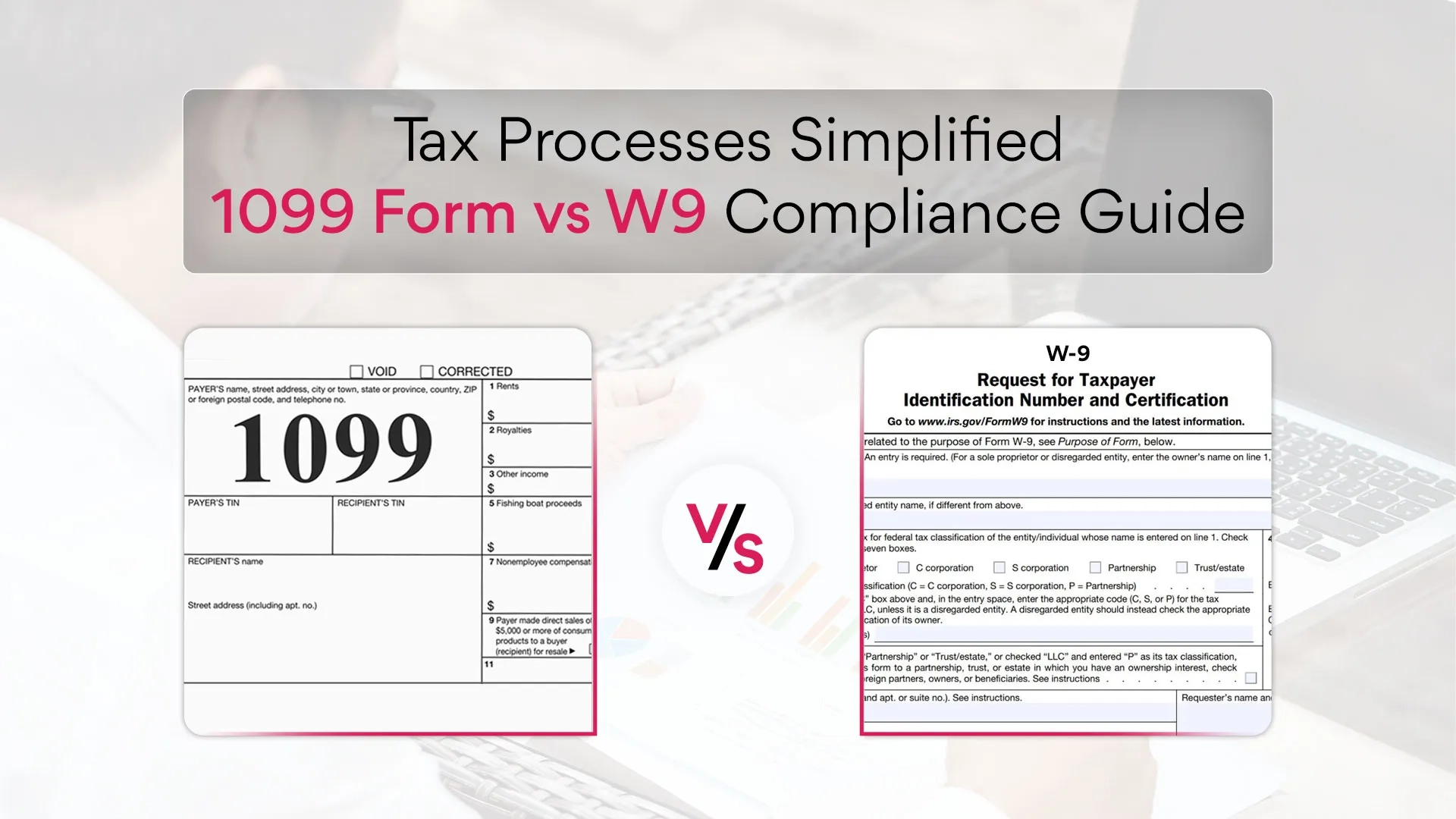
Tax Processes Simplified 1099 Form Vs W9 Compliance Guide Xenett
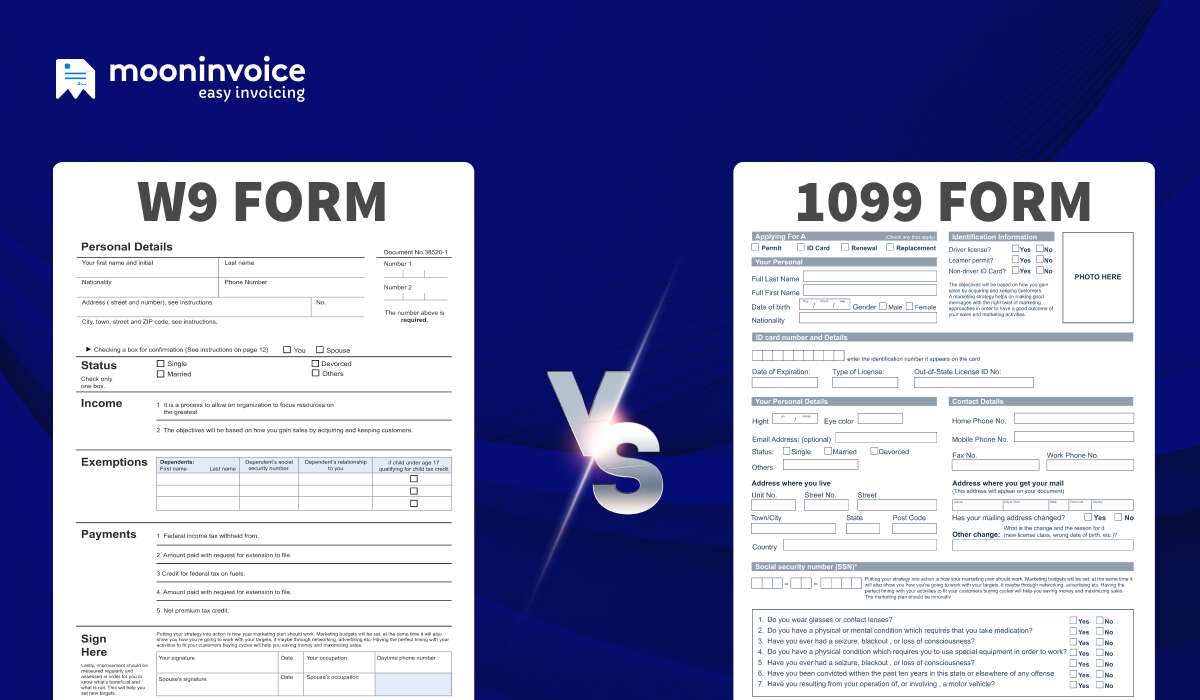
W9 VS 1099 Critical Difference Between IRS Forms W9 And 1099
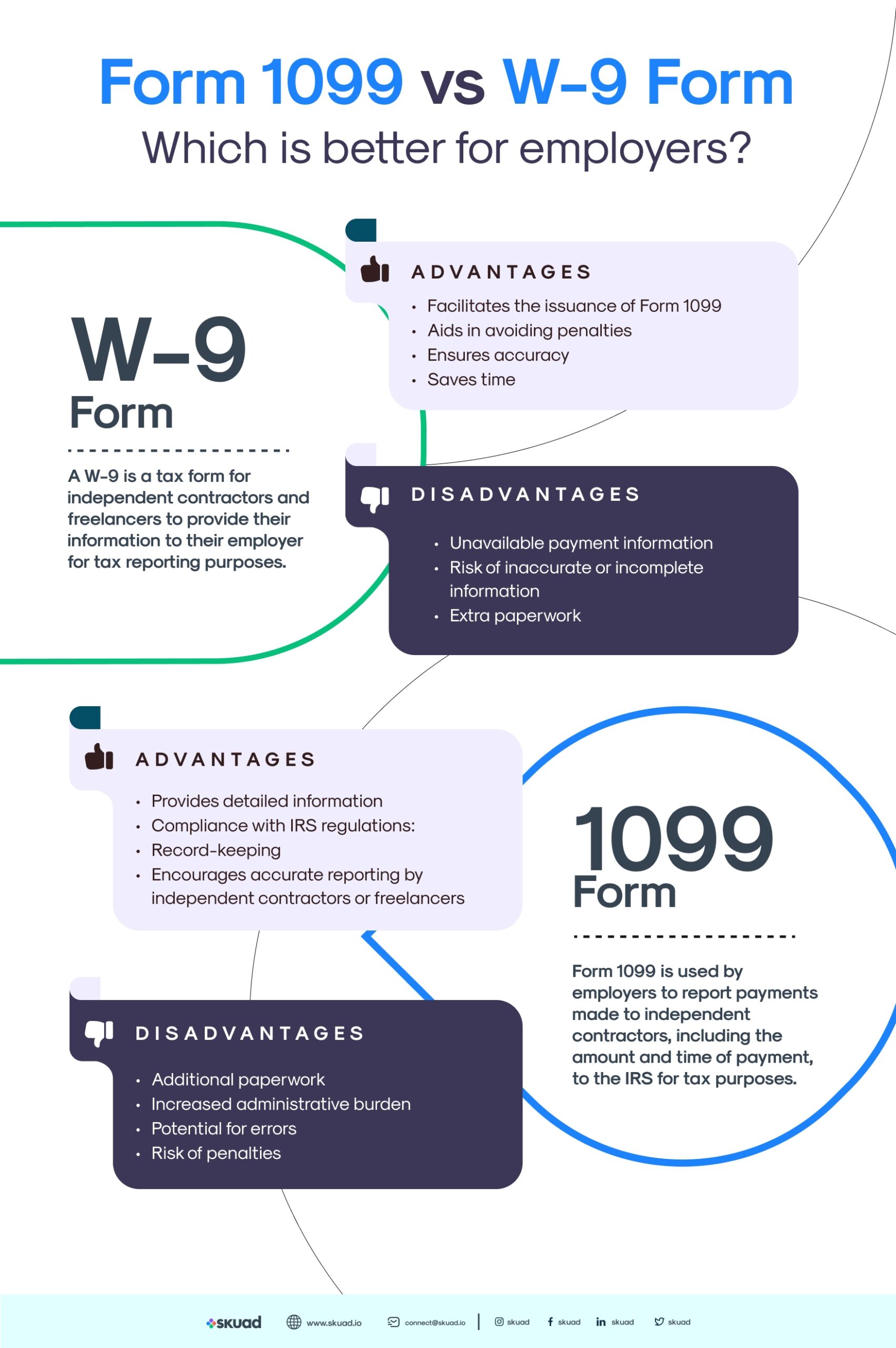
W 9 Vs 1099 Form What Is The Difference Skuad