
Are you familiar with IRS Form 1040 Underpayment Penalty? If not, don’t worry! We’re here to break it down for you in simple terms. This form is used to calculate any penalties you may owe for not paying enough estimated tax throughout the year.
It’s important to understand that the IRS expects you to pay taxes as you earn income, either through withholding from your paycheck or by making estimated tax payments. If you don’t pay enough throughout the year, you may be subject to an underpayment penalty.
Irs Form 1040 Underpayment Penalty
What is the IRS Form 1040 Underpayment Penalty?
The underpayment penalty is essentially a way for the IRS to ensure that taxpayers are paying their fair share of taxes throughout the year. This penalty is calculated based on how much you owe in taxes and how much you actually paid throughout the year.
To avoid this penalty, it’s crucial to make sure you’re paying enough in estimated taxes each quarter. You can use IRS Form 1040-ES to calculate how much you should be paying each quarter based on your income and deductions.
If you do end up owing an underpayment penalty, it will be calculated on IRS Form 2210 and included with your tax return. The penalty amount can vary depending on how much you owe and how late your payments were.
Overall, it’s best to stay on top of your estimated tax payments throughout the year to avoid any surprises come tax time. If you have any questions or need help with IRS Form 1040 Underpayment Penalty, don’t hesitate to reach out to a tax professional for guidance.
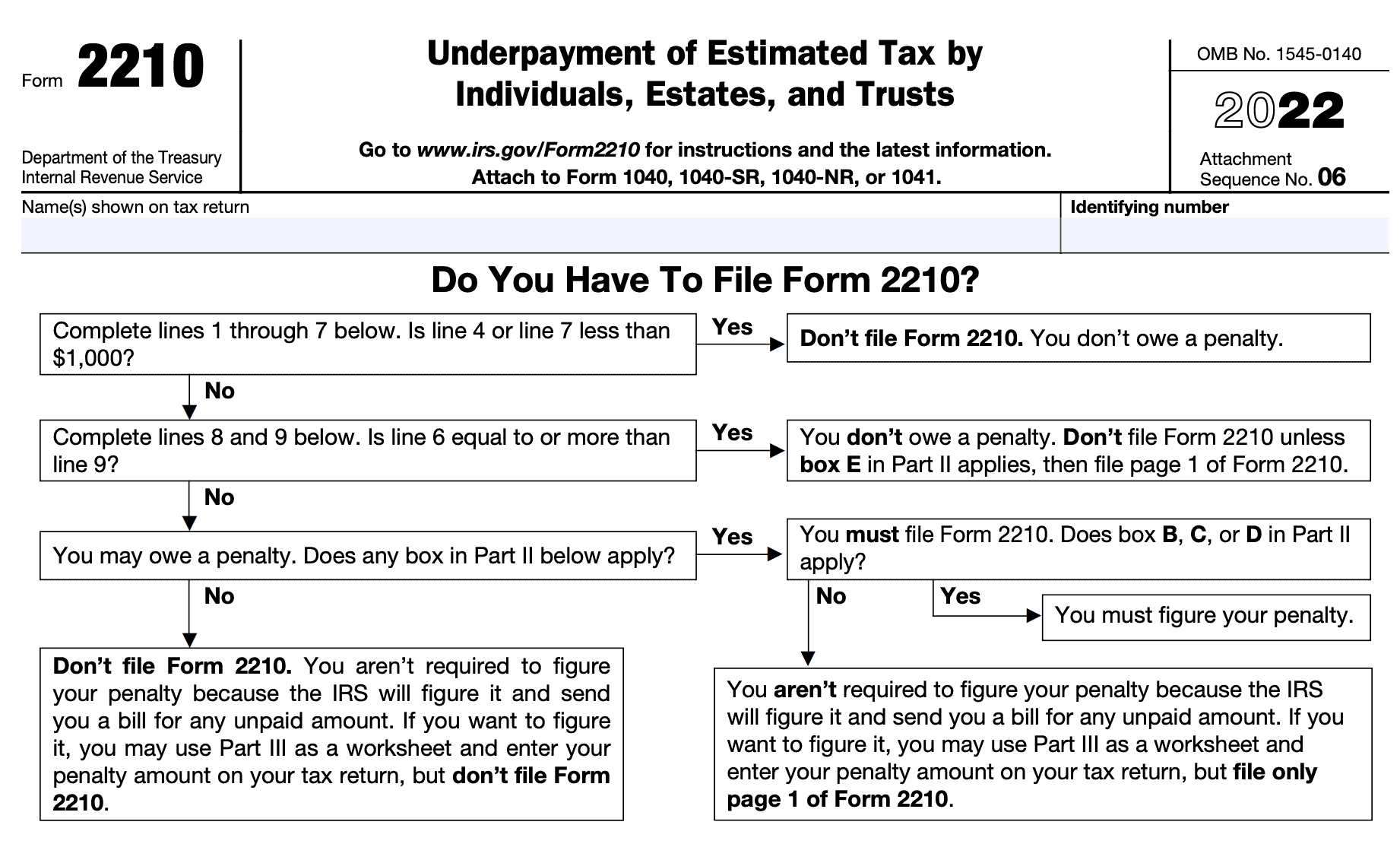
IRS Form 2210 Instructions Underpayment Of Estimated Tax
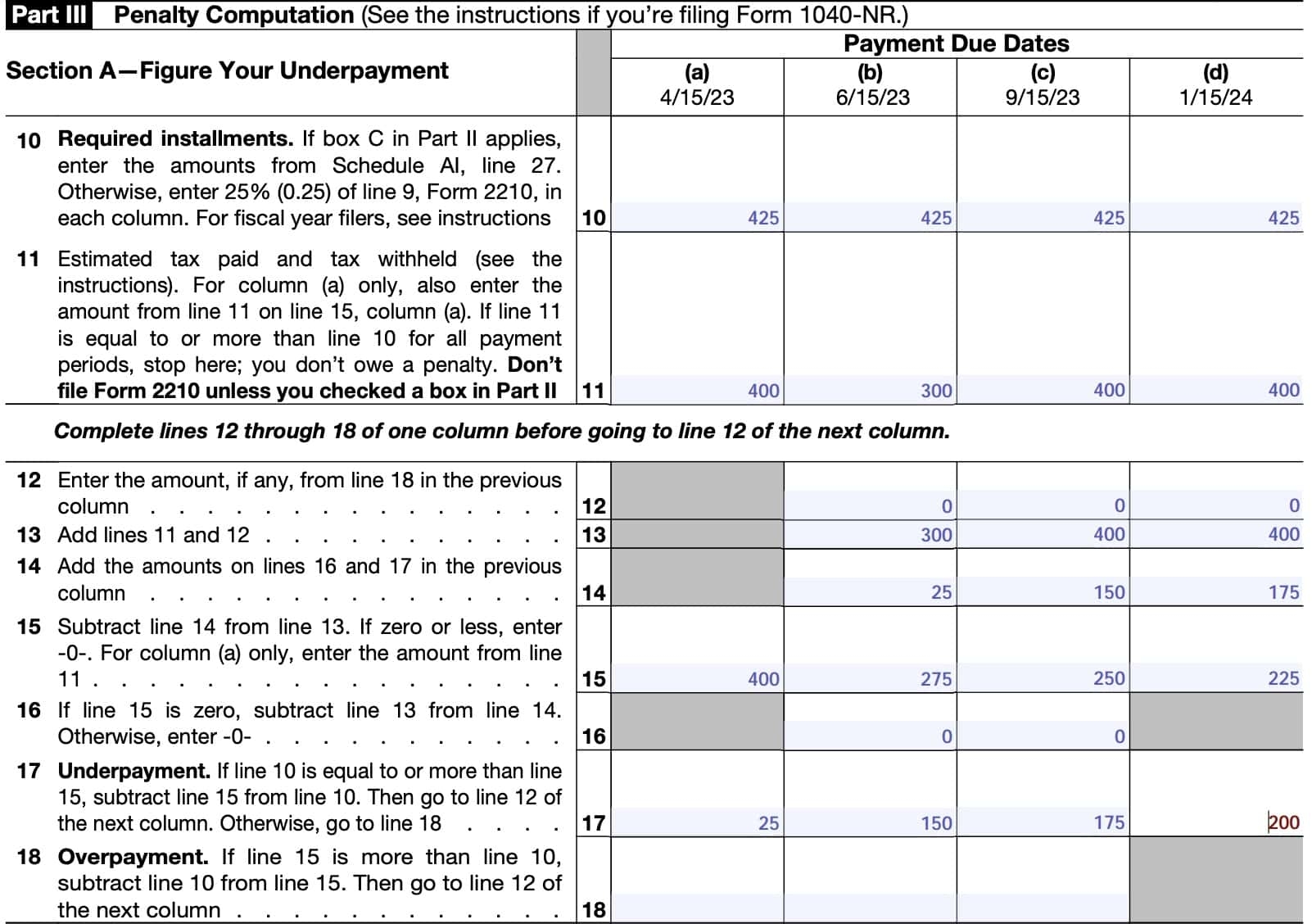
IRS Form 2210 Instructions Underpayment Of Estimated Tax
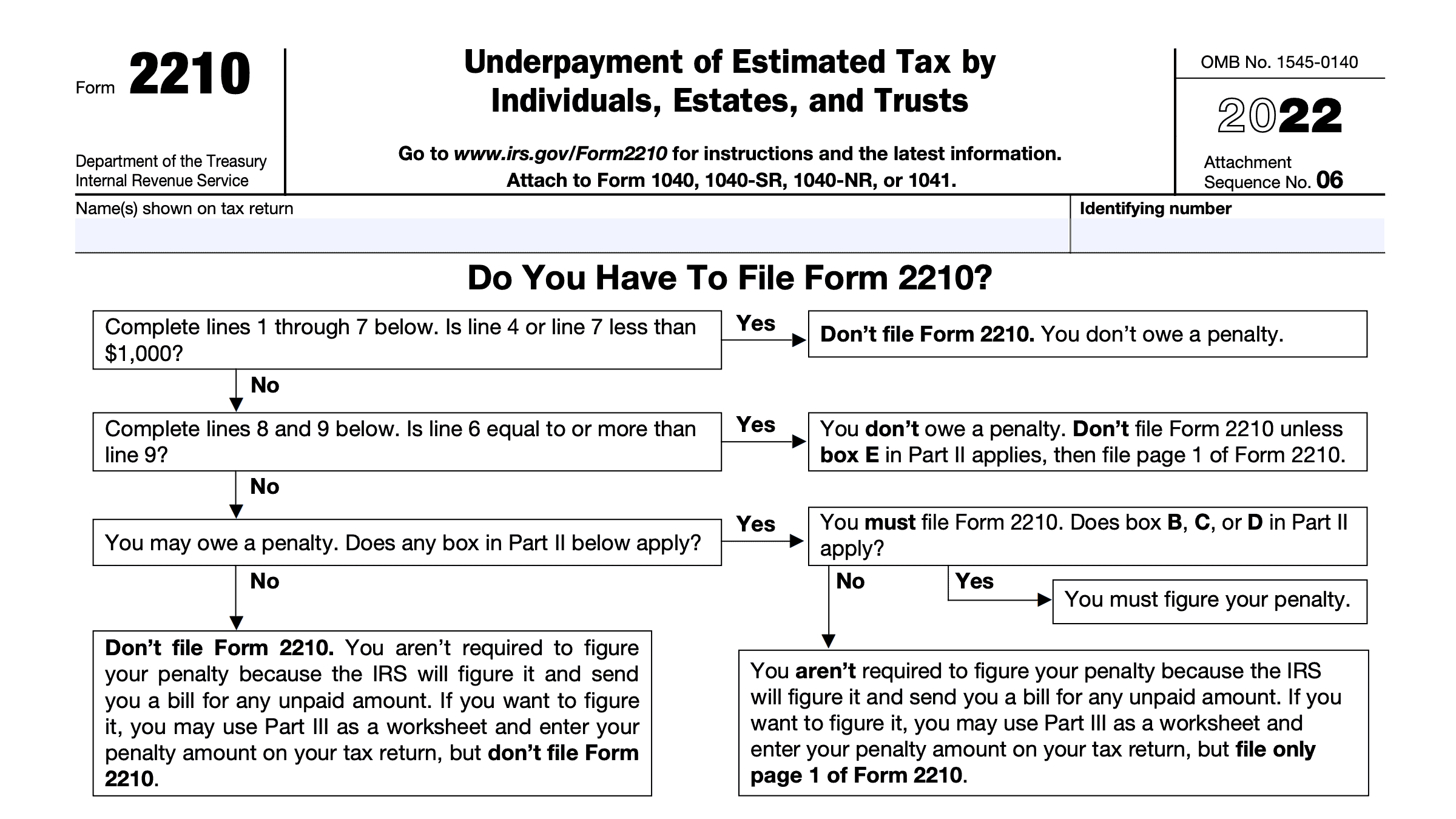
IRS Form 2210 Instructions Underpayment Of Estimated Tax